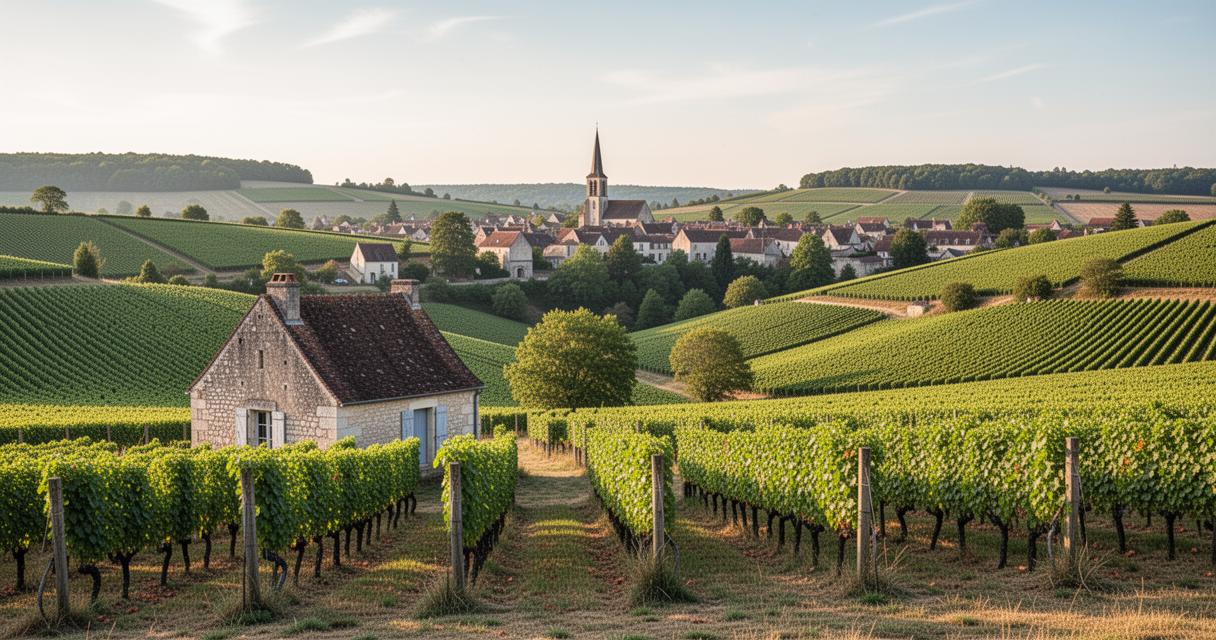
Burgundy stands as one of the most revered wine regions in the world, a landscape where every gentle slope and ancient stone wall tells the story of centuries devoted to the vine. For those seeking a sophisticated and genuinely memorable escape, a wine-tasting trip through this storied corner of France offers something far beyond a simple holiday, it is an immersion into a living heritage that has shaped the very idea of fine wine itself.
In short
- Burgundy is a world-renowned wine region defined by the ‘climat’ concept, which highlights the unique link between geology, terroir, and viticultural heritage.
- The Route des Grands Crus, stretching through iconic villages like Beaune and Gevrey-Chambertin, allows visitors to explore diverse vineyards with UNESCO World Heritage status.
- Travelers can experience the complexity of Pinot Noir by visiting family-owned estates where wines are sampled directly in their place of origin.
- Ancient limestone cellars beneath historic châteaux provide an authentic environment to learn about traditional winemaking techniques and barrel ageing.
- Local experts offer structured tasting sessions that help visitors master the nuanced vocabulary of Burgundian appellations and understand the influence of soil on wine texture.
- A trip to Burgundy is incomplete without pairing regional specialties like boeuf bourguignon with local red and white wines to experience the full breadth of the area’s gastronomy.
- Beyond the Côte d’Or, regions such as Pommard and Chablis offer distinct wine profiles, ranging from structured reds to mineral-driven white wines.
Exploring prestigious vineyards across beaune and dijon
Journeying through historic estates and UNESCO heritage climates
The journey through Burgundy’s vineyards begins, for many travellers, in the elegant city of Beaune, long considered the wine capital of the region. From here, the famous Route des Grands Crus unfolds southward and northward, guiding visitors past a succession of villages and estates whose names resonate with any wine lover: Gevrey-Chambertin, Aloxe-Corton, and Pommard, to name but a few. Each of these appellations carries its own distinct character, shaped by the particular combination of geology, exposition and microclimate that the Burgundians call a climat. It is this concept of the climat (the precise parcelling of land according to its unique terroir) that earned the vineyards of Burgundy their inscription as a UNESCO World Heritage Site, a recognition that underscores the singular relationship between people and land cultivated here over many generations.
Travelling north from Beaune towards Dijon, the landscape shifts subtly, with limestone ridges giving way to broader plains before the Côte de Nuits reasserts itself in all its grandeur. The estates scattered along this stretch of the region are often family-owned, their histories intertwined with the very identity of Burgundian viticulture. Visiting these domaines offers an unparalleled opportunity to understand how viticultural heritage is not merely preserved but actively continued by each successive generation of growers.
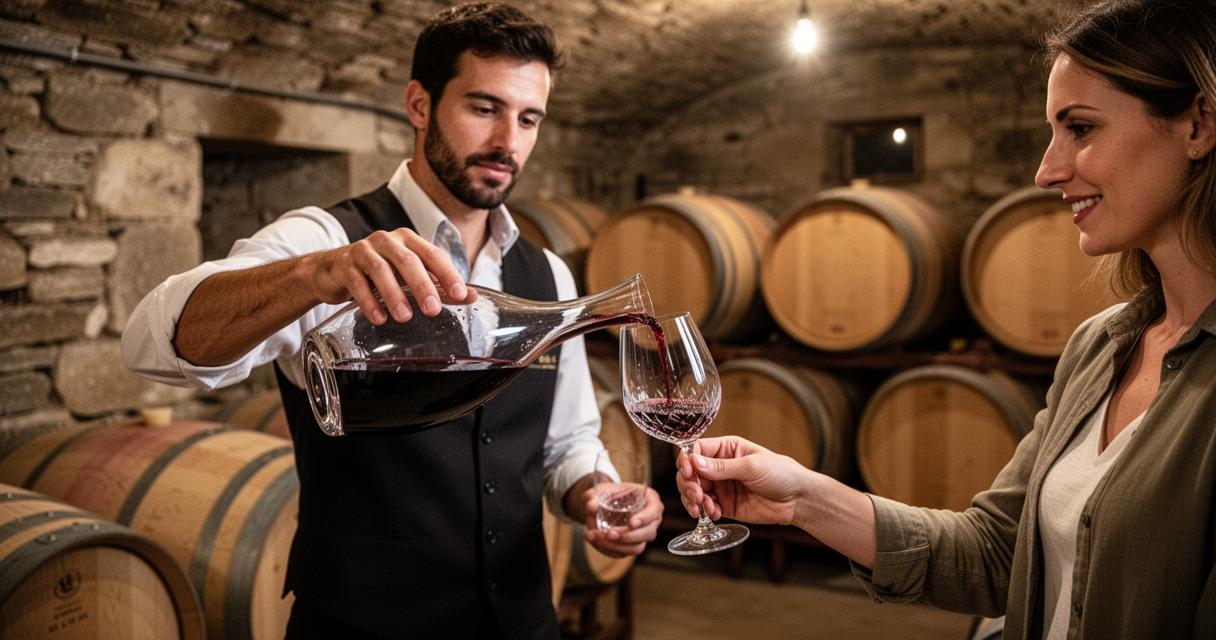
Sampling legendary Pinot Noir along the renowned wine route
No visit to Burgundy would be complete without a thorough exploration of its most celebrated grape variety. Pinot Noir, in all its translucent, aromatic glory, reaches perhaps its greatest expression on these hillsides, producing wines of extraordinary complexity and finesse. Along the route, tasting rooms and estates welcome visitors to sample crus that range from approachable village wines to the rarefied heights of premier and grand cru bottlings. The experience of tasting a Gevrey-Chambertin or an Aloxe-Corton in the very place where the grapes were grown lends an immediacy and authenticity that no urban wine bar can replicate. Each glass tells the story of its climat, its vintage, and the hands that tended it.
Immersing Yourself in Historic Cellars and Oenological Traditions
Uncovering ancient atmospheric cellars in grand châteaux
Beneath the châteaux and manor houses that punctuate the Burgundian countryside lie some of the most evocative spaces in the wine world: the ancient cellars that have sheltered thousands of vintages over the centuries. These subterranean chambers, carved from the region’s characteristic limestone, maintain a natural temperature and humidity that make them ideal for the slow maturation of fine wine. Descending into such a cellar is to step out of the present and into a world governed entirely by patience and tradition. The sight of bottle-filled alcoves stretching away into the half-light, the cool damp air carrying the faint scent of stone and oak, these are sensory experiences that stay with a visitor long after returning home.
Many of Burgundy’s grand châteaux open their cellars to guided visits, allowing guests to explore not only the wine itself but also the remarkable oenological knowledge accumulated across generations. These visits reveal the meticulous care that goes into every stage of production, from the careful sorting of grapes at harvest through to the art of barrel ageing and blending. The region’s estates take justifiable pride in maintaining these traditions, viewing them not as constraints but as the very source of their wines’ distinctive character.
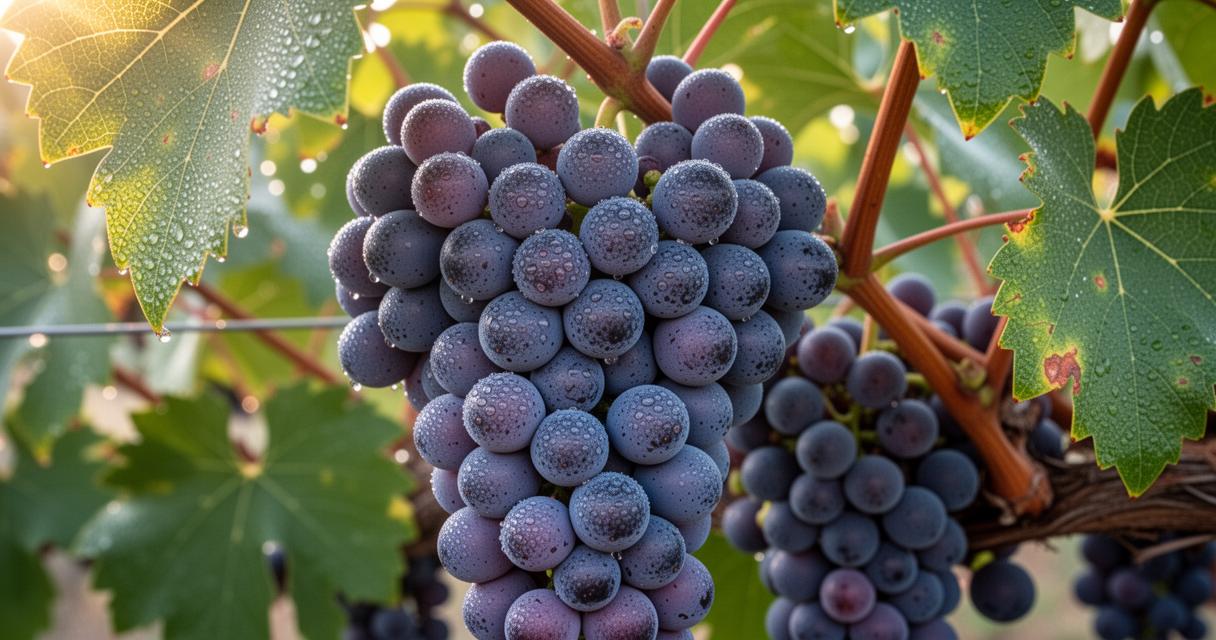
Mastering regional tasting techniques with local viticultural experts
For those wishing to deepen their understanding, many estates and wine houses across the region offer structured tasting sessions led by passionate local experts. These sessions go well beyond simply sipping and swirling: participants learn to identify the subtle markers that distinguish one appellation from another, to recognise the influence of the soil on the wine’s texture, and to appreciate the role of the winemaker’s choices in shaping the final result. The vocabulary of Burgundian wine (its crus, its lieux-dits, its nuanced hierarchy of appellations) becomes far more accessible when explained by someone who has grown up surrounded by these vineyards. Among the names associated with the region’s winemaking heritage, those of Bersan, Regnard, and Carillon have long been associated with distinct styles and appellations, each contributing to the rich mosaic of Burgundy’s viticultural identity.
Crafting a Splendid Weekend Stay with Gastronomic Delights
Pairing exceptional local crus with refined regional cuisine
A weekend in Burgundy is as much a gastronomic adventure as a vinous one. The region’s cuisine (rich, deeply flavoured and rooted in the same terroir as its wines) provides a natural counterpart to the bottles being explored. Classic dishes such as boeuf bourguignon, coq au vin, or the gloriously pungent local cheeses find their ideal companions in the region’s red and white wines, creating pairings that feel inevitable rather than contrived. The finest restaurants in the area, many of them housed in historic buildings in Beaune or the surrounding villages, pride themselves on sourcing their ingredients locally and celebrating the full breadth of what Burgundy’s land and cellars can offer. A well-chosen Burgundy wine paired with a carefully prepared regional dish is, for many visitors, the defining memory of their stay.
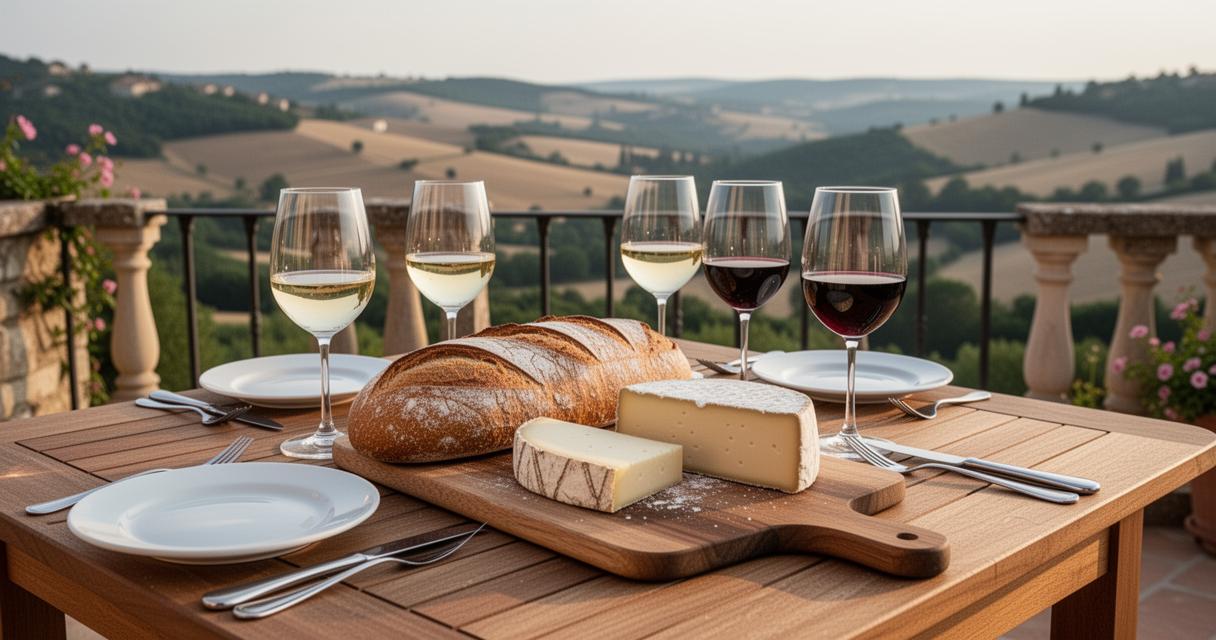
Planning memorable visits to iconic wine houses in Pommard and Chablis
Beyond the Côte d’Or, the region reveals further treasures for those willing to venture a little further. Pommard, south of Beaune, is home to some of the most structured and age-worthy red wines in all of Burgundy, their deep colour and firm tannins a testament to the particular qualities of the village’s limestone and clay soils. A visit to one of Pommard’s celebrated estates offers the chance to taste wines of genuine distinction, often in surroundings of considerable architectural beauty. Further north, Chablis presents an entirely different face of Burgundian winemaking: the razor-sharp, mineral-driven white wines produced from Chardonnay grown on Kimmeridgian limestone are unlike anything else in the wine world, their freshness and precision making them ideal partners for the region’s celebrated seafood and river fish.
Whether spending a long weekend or an extended stay, Burgundy rewards the curious and the attentive traveller in equal measure. The combination of heritage vineyards, historic cellars, exceptional cuisine and warm hospitality creates an experience that is, quite simply, unlike any other in France. For anyone with a genuine love of wine and the history woven into every bottle, a Burgundy escapade is not merely a pleasant holiday, it is a journey into the very heart of one of the world’s great wine cultures.