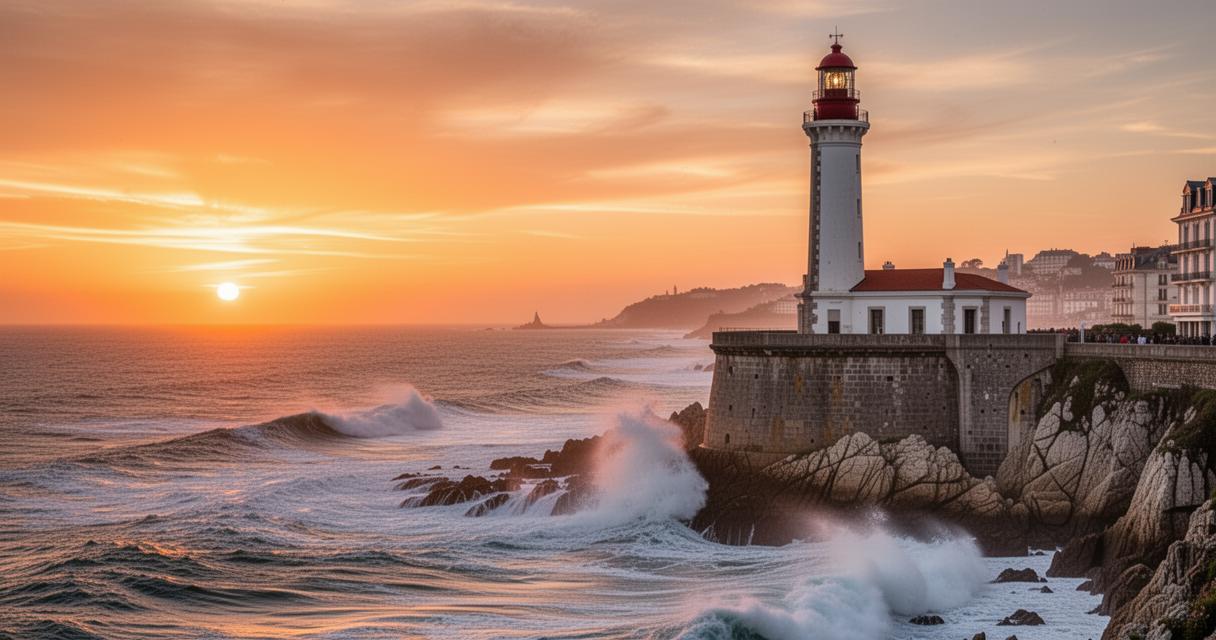
The Basque Country is home to a remarkable collection of historic landmarks, but few capture the imagination quite like the Santa María Cathedral in Vitoria-Gasteiz. Rising above the medieval old town, this extraordinary structure has become a destination in its own right, drawing history enthusiasts, architecture lovers, and curious travellers from across Europe and beyond. When people talk about the finest monuments the Basque Country has to offer, the Santa María Cathedral consistently earns its place at the very top of the list.
The essentials
- The Santa María Cathedral in Vitoria-Gasteiz is considered one of the finest monuments in the Basque Country due to its architectural grandeur and historical significance.
- The ‘Under Construction and Open’ program allows visitors to experience the cathedral’s ongoing restoration process firsthand, offering a unique educational perspective.
- Unlike static historic sites, the cathedral offers an interactive engagement with the past that highlights centuries of medieval craftsmanship and structural evolution.
- The site features a sculpture dedicated to Ken Follett, linking the monument’s atmosphere to literary inspiration and storytelling.
- Beyond its architecture, the cathedral serves as a central anchor of community identity and memory within the Basque region.
- A visit to the cathedral is complemented by the vibrant culinary culture of Vitoria-Gasteiz, including its renowned pintxos and local Rioja Alavesa wines.
Discovering the architectural splendour of Santa María Cathedral
A masterclass in Gothic design and historical craft
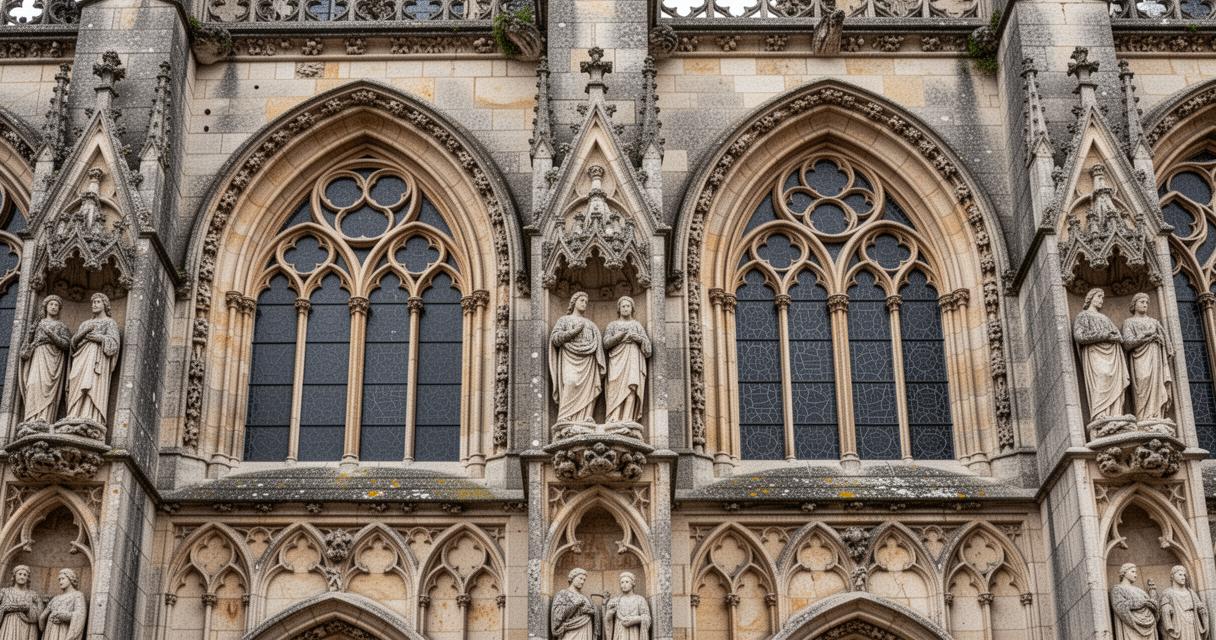
Few buildings in Spain speak so eloquently of the ambitions and devotion of their builders as Santa María Cathedral. Standing in the heart of Gasteiz, it is widely regarded as one of the most remarkable monuments in the entire region. The cathedral’s Gothic architecture is both austere and deeply expressive, with soaring stone vaults, finely carved portals, and an interior that reveals centuries of accumulated craft and devotion. For anyone with a passion for historic architecture, this is a site that rewards patient exploration. Every column, every arch, and every weathered surface tells a story of medieval construction on a grand scale, a story that is still being pieced together by experts today.
Exploring the ongoing restoration and hidden secrets
What makes the Santa María Cathedral particularly unusual among medieval monuments is the way it has embraced its own restoration as part of the visitor experience. The pioneering project known as “Under Construction and Open” invites visitors to witness the complex restoration process from the inside, rather than waiting until the scaffolding comes down. This approach combines artistic restoration, science, and cultural heritage in a genuinely educational encounter. Visitors learn about the history of the building, the architectural techniques employed by its original craftsmen, and the sophisticated modern methods now being used to preserve it for future generations. It is a rare opportunity to understand a historical landmark not simply as a finished object, but as a living, evolving work of human endeavour. The experience is fully accessible, making it suitable for couples, families, groups, and seniors alike.
Adding a touch of literary intrigue to the visit, there is a sculpture outside the cathedral dedicated to the celebrated author Ken Follett, whose novel drew inspiration from a building very much like this one. It is a detail that appeals to booklovers and history buffs in equal measure, and it perfectly encapsulates the way Santa María Cathedral blends cultural heritage with storytelling.
Unravelling the rich heritage of the top Basque monuments
How Santa María stands out amongst regional landmarks
Spain is, of course, extraordinarily rich in Spanish cathedrals and sacred architecture. The country is home to some of the world’s most celebrated heritage sites, including UNESCO World Heritage sites such as the Santiago de Compostela Cathedral, the celebrated endpoint of the Way of St. James, one of the most iconic pilgrimage routes in the Christian world, as well as the Salamanca Cathedral, which unites buildings from several distinct historical periods, and the Burgos Cathedral, renowned for its intricate stained-glass windows. Granada’s Cathedral of the Incarnation blends Gothic and Renaissance structures in a manner that speaks of Spain’s complex architectural evolution, while Córdoba’s cathedral carries within its walls the traces of a Visigoth basilica, a mosque, and a Catholic church, a layered palimpsest of civilisations.
Against this formidable backdrop, the Santa María Cathedral holds its own with distinction. What sets it apart is not simply the quality of its Gothic architecture, but the depth of engagement it offers. Rather than presenting itself as a static relic, it invites visitors into an active dialogue with the past, making it an outstanding destination for cultural heritage tours and sightseeing in the Basque Country.
The cultural significance of medieval architecture in the region
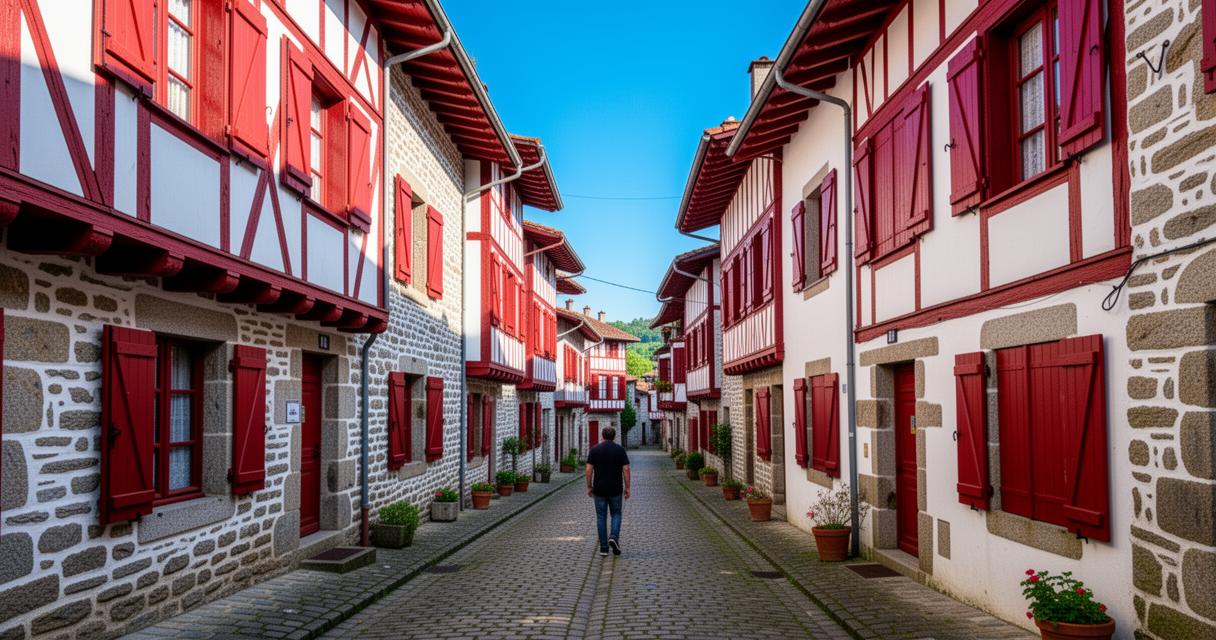
The Basque Country occupies a singular place in the architectural history of the Iberian Peninsula. Its medieval towns, ancient thoroughfares, and devotional buildings reflect centuries of distinct cultural identity. Medieval monuments such as Santa María Cathedral are not merely beautiful objects to be photographed, they are anchors of community life and collective memory. Cathedral tourism in this region carries a particular resonance because these buildings were conceived as the spiritual and civic heart of their communities, and in many cases they continue to fulfil that role. For the modern traveller, engaging with this heritage means stepping into a living narrative that spans the best part of a millennium.
Planning your visit to this iconic Cathedral
Key highlights to observe during your walk through history
For those planning self-guided tours or structured walking tours of the Basque Country, the Santa María Cathedral should sit firmly at the centre of any itinerary planning. The “Under Construction and Open” experience provides a structured walkway through the building’s most compelling spaces, allowing visitors to observe ongoing conservation work at close quarters. As you move through the interior, pay particular attention to the interplay of light and stone, the evidence of successive building campaigns visible in the masonry, and the quiet grandeur of a structure that has endured so much. For those undertaking European travel with a particular focus on sacred and historic sites, this visit offers something genuinely rare: the chance to witness artistic restoration as it happens, in one of the most atmospheric settings imaginable.
Immersing yourself in the local atmosphere of Vitoria-Gasteiz
No visit to Santa María Cathedral is truly complete without spending time in the surrounding historic old town of Gasteiz. After exploring the cathedral, visitors are warmly encouraged to discover the local culinary experiences that the city does so well. The pintxos culture here is vibrant and deeply rooted in tradition, creativity, and local produce, the kind of food experience that lingers long in the memory. The wines of Rioja Alavesa are another unmissable discovery; it is said that any bar or restaurant in the city will offer an excellent glass, making sightseeing and eating here a genuinely pleasurable combination. The local markets in the city centre are equally rewarding, offering fresh produce, gourmet treats, and a lively, convivial atmosphere that reflects the warmth of Basque hospitality at its very best.
Whether you arrive as a devotee of Gothic architecture, a keen follower of pilgrimage routes, or simply a curious traveller eager to explore the best the Basque Country has to offer, the Santa María Cathedral delivers an experience that is both intellectually stimulating and deeply moving. It is, in every sense, a monument worthy of the top position on any list of must-see landmarks in this remarkable corner of Spain.